Reliable Power System Decisions
Understanding Standby Generators: Crucial Details for Any Property Holder
Standby generators are crucial for homeowners looking for trustworthy emergency power during electrical interruptions. The generators automatically identify power outages and turn on in moments, guaranteeing necessary utilities stay working. Understanding their components, benefits, and installation requirements is important for informed decision-making. As homeowners consider investing these units, several elements are important that might significantly affect their selection. Which aspects should owners emphasize when choosing the correct generator for their needs?
What Exactly Is a Standby Generator?
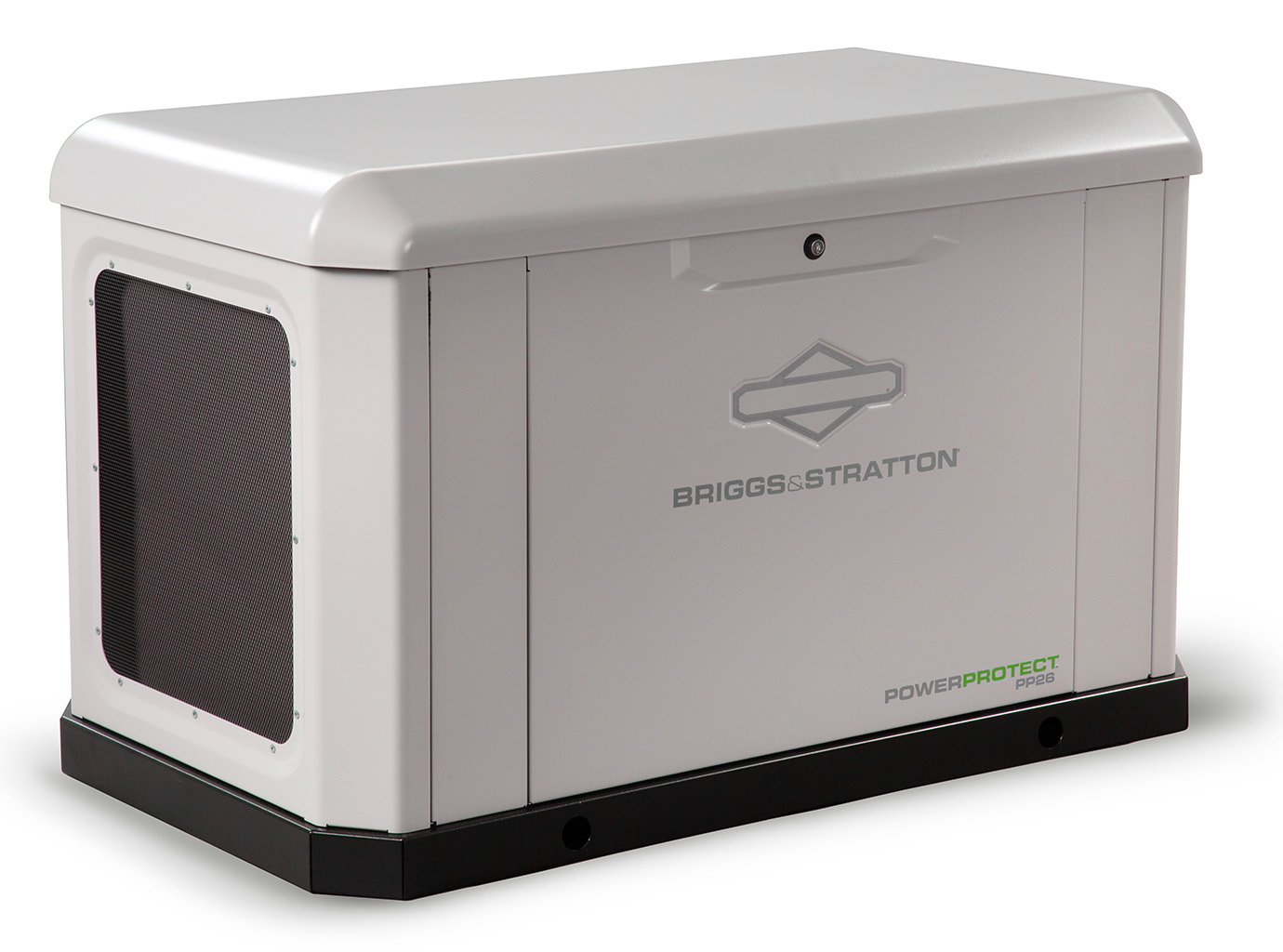
A standby generator is an emergency electrical unit intended to instantly deliver energy during a loss of utility power. In contrast to portable generators, requiring hands-on installation and fueling, standby generators are set up permanently and connected to a property's electrical system. This integration allows them to identify outages and start up in moments, guaranteeing that essential appliances and systems remain operational.
Standby generators run on natural gas or propane, making them trustworthy for prolonged usage without frequent refueling. They come in various sizes, serving a range of electricity requirements, from smaller household models to heavy-duty industrial units. Additionally, many models include elements including automatic transfer switches, which smoothly transition electrical supply without human involvement.
How Do Standby Generators Function?

Standby generators work by perpetually observing the power delivery to a house or structure. When a power outage is detected, the units automatically activate, supplying continuous energy to the property. This process begins with the unit's control board, which senses the loss of utility power. Upon detection, it issues a prompt to fire up the generator in a few moments.
Running on natural gas or propane, the generator ignites and generates electricity. The electricity generated is subsequently sent through a power transfer device, which isolates the property from the main power to prevent backfeeding. The transfer switch makes certain that the home receives power from the generator until the main power is back.
Once the utility service is restored, the generator system powers down automatically and stays ready, prepared to engage again if required. This automated feature establishes standby generators as a dependable source of emergency power during electrical disruptions.
Top Benefits of Standby Systems
Backup generators provide considerable upsides, chiefly by securing an constant power access during electrical interruptions (Portland Standby Generators). This dependability improves convenience for property owners but often contributes to an increase in property value. As a growing number of people desire dependable energy systems, the attractiveness of backup generators continues to grow
Continuous Electricity Access
While power outages can disrupt daily life and business operations, standby generators provide a dependable answer by guaranteeing continuous electricity. The generators turn on automatically when the grid fails, maintaining essential functions such as HVAC and cold storage. This feature is especially helpful for firms requiring steady power to assist clients and safeguard goods. Additionally, standby generators enhance safety by keeping security systems and emergency lighting operational during electrical failures. By reducing downtime, they help minimize potential losses, helping properties and firms get back to normal activities promptly. In summary, backup generators provide reassurance, assured that power is always on hand when it is needed most, securing homes and businesses from the erratic behavior of power failures.
Boosted Property Worth
Property owners and companies can see that putting in a standby generator significantly increases home worth. This rise is due to multiple reasons, including the appeal of reliable power during electrical interruptions. Potential buyers often view properties with standby generators as more desirable due to the extra safety and ease they offer. Additionally, these generators can reduce the risk of damage to household systems and devices during outages, making them more appealing to purchasers worried about repair expenses (Portland Standby Generators). Additionally, where extreme weather is common, having a standby generator can be a significant selling point. Ultimately, the installation of a standby generator doesn't just give peace of mind but also is considered a valuable investment that can produce a good return when selling a property
Types of Standby Generators
When evaluating options for backup power, it is essential to understand the different types of standby generators available. The chief categories are comprised of portable and stationary generators. Portable generators are flexible units that can be moved with ease and are typically powered by gasoline. They are appropriate for temporary power needs but may not support entire home systems.
On the other hand, stationary generators, commonly known as whole-house generators, are installed permanently and connected to the home's electrical system. These units generally run on natural gas or propane, providing a more dependable and uninterrupted power supply during outages.
We can also distinguish between automatic and manual generators. Automatic standby generators start up automatically during a power failure, while manual models require user intervention to activate. Grasping these variations aids property owners in choosing the most appropriate generator type for their specific backup power requirements.
Factors to Consider Before Buying
Before purchasing a standby generator, buyers have to consider several key factors. Understanding power requirements, choosing the appropriate fuel type, and analyzing installation and maintenance needs are necessary steps in the decision-making process. These considerations can greatly impact the overall suitability and performance of the generator.
Power Requirements Assessment
Prior to buying a standby generator, it is vital to assess the specific power requirements to ensure adequate support during outages. Property owners ought to start by listing the critical appliances and systems that need backup power, such as heating, cooling, refrigeration, and medical equipment. Subsequently, they must calculate the total wattage required by these devices, factoring in both running and starting wattages. Furthermore, it is important to determine whether the generator will be used for limited or whole-home backup. This analysis informs the selection of a generator with the correct size, usually quantified in kilowatts (kW). Understanding these electrical demands validates that the generator can reliably maintain necessary services during power interruptions, providing peace of mind and security.
Considering Fuel Types
Selecting the best type of fuel for a standby generator is crucial, as it directly affects output, accessibility, and operational costs. Typical fuel choices are natural gas, propane, and diesel. Natural gas is commonly chosen for its convenience and lower emissions, making it a suitable choice for properties that have a gas connection. Propane offers portability and a longer shelf life, ideal for remote locations. Diesel generators, while typically more powerful, may lead to increased running costs and demand specialized storage provisions. Property owners should also evaluate how accessible fuel is locally and possible cost volatility. Additionally, clean air standards may impact which fuel is chosen, encouraging the use of cleaner alternatives to meet compliance and boost environmental responsibility.
Requirements for Installation and Upkeep
The choice of fuel type for a standby generator is only one part of the decision-making process; setup and upkeep needs are just as important. Property owners must consider the complexity of installation, which may require professional assistance, specifically for setups with electrical connections and plumbing. Adequate space and ventilation for the generator are also critical to maintain safety and performance.
Maintenance needs require periodic reviews, oil changes, and battery checks, which are required to ensure maximum efficiency. Some generators offer automatic self-diagnostic features, streamlining servicing. Additionally, the availability of local service technicians can impact the overall upkeep. By evaluating these factors, property owners can reach sound conclusions, assuring their standby generator operates reliably when power is lost.
The Installation Procedure and Necessary Steps
Although the installation of standby generators may look uncomplicated, it involves several important phases and requirements that must be strictly observed. Initially, a thorough site assessment is required to determine the ideal location for the generator, including details such as distance from the home and accessibility for maintenance. Municipal building codes and zoning regulations need to be checked to guarantee compliance.
Afterward, proper sizing is essential; generators should be selected based on the property's power requirements. Once the unit is chosen, a certified electrician usually manages the installation, hooking up the generator to the electrical system and ensuring it is correctly grounded.
Fuel supply lines, such as natural gas or propane, must also be installed, following safety standards. Lastly, a transfer switch is required to securely handle electricity during outages. Following these steps secures a safe and efficient installation, laying the groundwork for reliable backup power.
Maintenance and Safety Tips
Proper maintenance of standby generators is critical for securing their trustworthiness and longevity. Property check this resource owners should adhere to a regular maintenance schedule, which includes checking the generator monthly. This means looking at the oil level, battery condition, and fuel system for signs of leakage or rust. Furthermore, it is crucial to run the generator periodically to ensure it runs well during power outages.
Safety is a top priority when operating standby generators. Owners must make certain that the generator is installed outdoors in a well-ventilated area to stop CO buildup. Using a transfer switch is essential to prevent backfeeding into the electrical grid, which can endanger utility workers. Furthermore, it is advisable to keep the generator clean and free from debris to stop excessive heat. If they follow these maintenance and safety tips, property owners can optimize the functioning and lifespan of their standby generators, ensuring tranquility during power interruptions.
Frequently Asked Questions
How Long Can a Standby Generator Run Continuously?
A standby generator can run continuously for up to 24 hours on a full tank of fuel, depending on its capacity and load. Regular upkeep secures maximum efficiency and longevity, prolonging its running duration during critical times.
Can Standby Generators Provide Electricity For My Whole House?
Emergency power systems can supply electricity to an entire home, contingent upon their size and output and the home's power requirements - Portland Standby Generators. Accurate measurement and fitting are essential to ensure enough electricity for necessary equipment during blackouts
What Fuel Types Can Be Used for Standby Generators?
These units run using a range of energy sources, such as natural gas, LP gas, diesel, and gasoline. Each energy option provides specific upsides, impacting efficiency, supply reliability, and running expenses, based on the homeowner's particular requirements and circumstances.
Do Standby Generators Get Noisy When Functioning?
Backup power units can generate noise while running, usually generating noise levels between 60 to 70 decibels. Yet, innovations have led to quieter models, which considerably reduce noise while still providing high efficiency during blackouts.
Do I Need a Permit for Installing a Home Generator?
Yes, a license is usually necessary for fitting a standby generator. Regulations vary by location, so it is best to check with your local government to ensure conformity with local codes and security regulations before installation.